LLC for Real Estate Investment - Benefits and Drawbacks
Explore tax benefits and drawbacks. Learn about LLCs, asset protection, and tax implications for property investments.
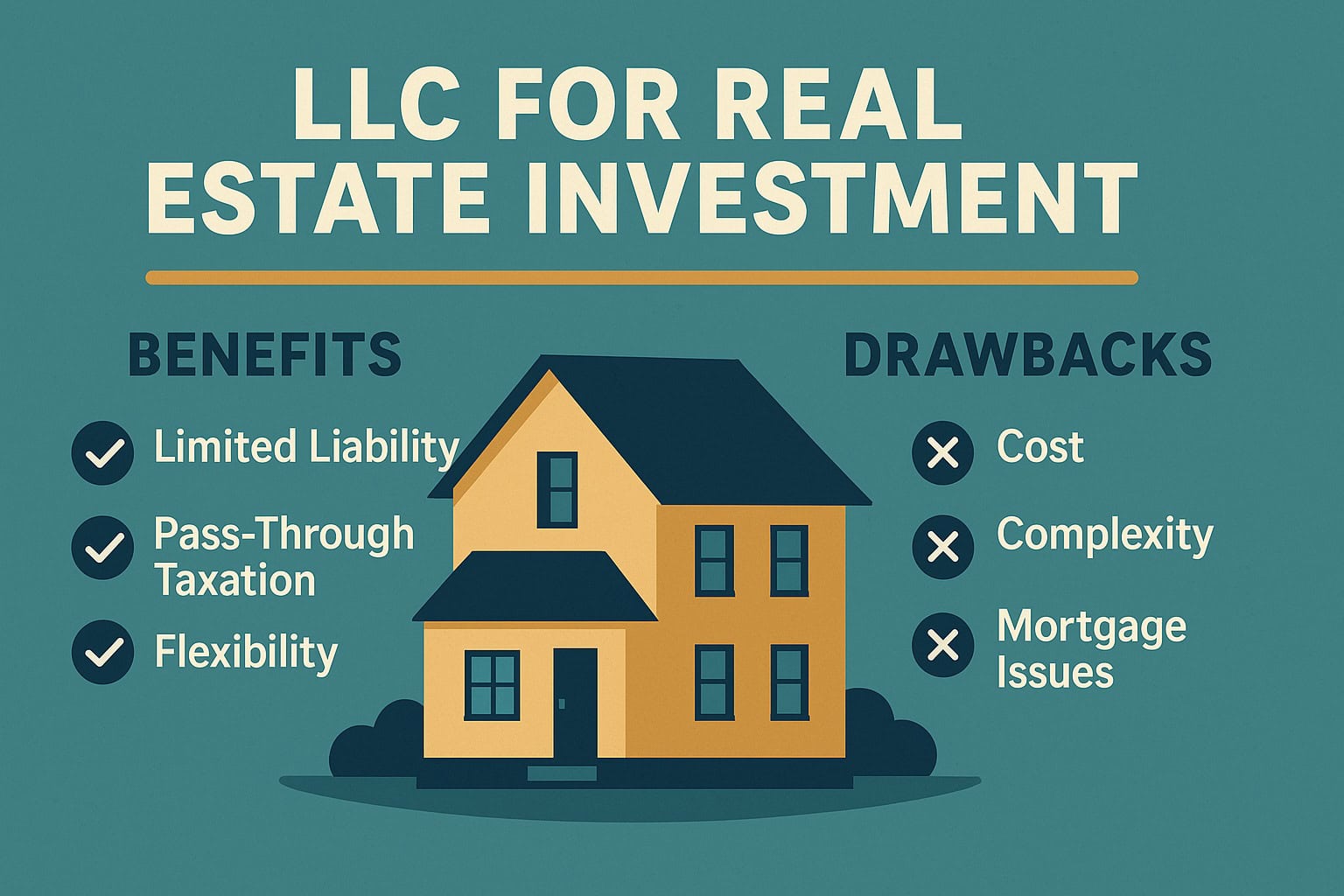
Starting with an LLC for your real estate investments in 2025 brings huge personal asset protection. It keeps your personal finances safe, no matter what happens in your business. Over 60% of real estate investors choose this structure for peace of mind.
A study from Harvard Business School shows LLCs offer tax perks that help you save. You can pass profits directly to yourself, avoiding that annoying double taxation.
Setting up an LLC makes you look more professional to lenders and investors. It gives you a clear structure for growth and makes scaling up easier. In today’s competitive market, it’s a smart move for long-term success.
What is an LLC, and why is it crucial for real estate investing?
A limited liability company (LLC) is a flexible business entity. It blends asset protection and tax advantages, shielding your personal assets from legal or financial risk. In 2025, over 70% of small investors will choose LLCs to protect their investment properties and streamline taxes.
Sources like Forbes say owning real estate under an LLC boosts credibility. Lenders, partners, even tenants see it as a professional move. Your home, savings, and car are protected because the lawsuit hits the LLC, not you.
Why LLCs matter for real estate investors:
Liability Protection: Only the assets of the LLC are exposed in a lawsuit
Tax Efficiency: Income flows to your personal tax return, skipping double taxation
Professional Structure: Tells lenders your LLC is a business, not a side hustle
Forming a real estate LLC starts with state registration. After that, transfer the property into an LLC. From there, run the show, rent, repairs, and taxes; all under one roof. A real estate LLC is smart for:
- Simplifying tax forms
- Controlling property ownership
- Boosting asset protection and tax planning
In a fast-moving real estate market, an LLC keeps you safe, sharp, and scalable, all while staying in control.
Top Benefits of Using an LLC for Real Estate
The process of real estate investment requires asset protection together with risk control along with efficient holding arrangement management. A limited liability company (LLC) stands as the optimal solution for accomplishing this task. Below are the top benefits of using an LLC in real estate.
Limited Liability Protection
Your personal assets stay protected if someone sues over a property. Only the LLC’s assets are at risk, this shields your home, savings, and other personal belongings.
Liability Isolation with Multiple LLCs
By placing each property in its own LLC, a lawsuit on one property won’t jeopardize your entire portfolio, keeping risks contained.
Cleaner Bookkeeping
A parent LLC can streamline financial tracking and accounting, making it easier to manage income, expenses, and paperwork across multiple properties.
Scalability
LLCs make it simple to grow your real estate portfolio, whether you’re adding properties, selling, or bringing in new investors, without disrupting your entire operation.
Insurance Benefits
If each property is housed in a separate LLC, claims made on one won’t affect the others. Insurance companies often prefer this setup for risk management, and it ensures better coverage.
Financing Flexibility
A well-structured LLC offers more financing options. You can use equity from one property to help fund others; lenders often view LLCs as more trustworthy and organized.
State-Specific Perks (e.g., Series LLCs)
Some states allow Series LLCs, which means fewer fees and a streamlined setup for managing multiple properties, ideal for investors with large portfolios.
Privacy & Professional Image
One of the biggest advantages of LLCs is the privacy they provide, your name stays out of public records, offering a level of anonymity. This setup also helps create a more professional business image, especially useful when dealing with tenants, partners, and investors.
Estate Planning & Succession
LLC ownership is easier to transfer than property titles, making it a more effective strategy for long-term wealth transfer, estate planning, and succession.
Asset Protection in High-Risk Areas
Asset Protection in High-Risk Areas
Placing properties from dangerous locations like crime-heavy areas or flood areas in an LLC creates additional asset protection. It limits your personal assets when facing property-related lawsuits.
As you see, LLC provides a strong foundation for your real estate business, ensuring growth and protection. For the best results, consider consulting a real estate attorney or tax expert to get started.
Should You Form an LLC Before You Buy Property?
Yes. Setting up a limited liability company (LLC) before buying real estate is a smart move in 2025. When your LLC is formed early, the property is purchased under the company’s name, not yours. From day one, you’re protected legally and financially.
A study from the University of Chicago Law School confirms: early formation avoids title issues and keeps the property deed and transfer clean. IRS data also shows fewer problems on your personal income tax return when it’s owned by a business, not an individual.
Forming your LLC before closing brings
Stronger protection of your real estate
Clear title with LLC members as owners
Smoother filing in the next tax year
More control over your LLC business
Flexible handling of income and property taxes
So, timing isn’t just helpful; it’s essential. LLC formation before buying gives structure, security, and full control for the long haul.
What are the Tax Benefits of Using an LLC for Real Estate Investments?
An LLC can offer great tax benefits for real estate investors, but it’s not just about saving money on taxes. Let’s break it down:
Tax Benefits of an LLC:
Pass-Through Taxation:It allows your personal income to bypass LLC taxation levels so it appears directly on your individual tax return.
Business Expense Deductions:It allows investors to deduct property maintenance costs together with management fees as well as mortgage interest to reduce their taxable income.
Depreciation Deductions: Property owners can reduce taxable income through depreciation deductions which become more effective during the first few years.
Long-Term Capital Gains: If you sell the property, you might pay lower long-term capital gains taxes on the profit.
Self-Employment Tax Savings: Consider an S-Corp election to reduce self-employment taxes by paying yourself a salary and taking extra profits as dividends.
State-Specific Considerations
Different states have varying fees and regulations for LLCs. Here’s a quick comparison of some popular states:
| State | Annual LLC Fees | Franchise Tax | Other Considerations |
|---|---|---|---|
| Delaware | $300 | None | Great for privacy and asset protection. |
| California | $800 | $800 minimum | High taxes but solid legal protections for LLCs. |
| Nevada | $200 | None | No state income tax—perfect for tax savings. |
| Florida | $138.75 | None | Popular for real estate, with low setup costs. |
| Texas | $0 | $0 | No state income tax, and affordable LLC formation. |
| New York | $200 | $25-$4,500 | Higher fees, but strong member protections. |
| South Dakota | $150 | None | No state income tax and low LLC formation costs. |
As you can see, states like Nevada and Delaware are popular for their tax advantages and privacy benefits. California and New York have higher fees but offer extra legal protections that some investors find valuable.
Thinking of Investing? How to Form an LLC for Real Estate the Right Way
said:
Forming an LLC for real estate investing offers both liability protection and tax benefits. LLCs are business entities that help shield personal assets from property-related risks, making them ideal for investors. They also simplify tax filing, allowing for tax advantages tailored to real estate.
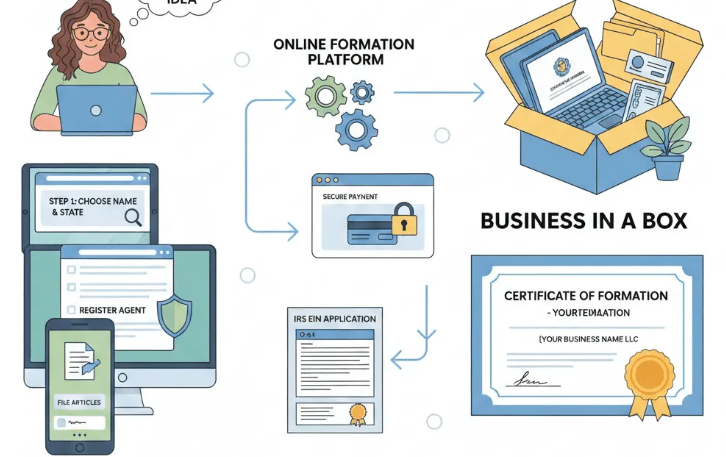
Steps to Set Up an LLC for Real Estate:Choose a Registered Agent: Appoint someone to handle official legal documents and correspondence.
File Paperwork with the State: Submit necessary forms, such as the Articles of Organization, to your state’s business division.
Create an Operating Agreement: Draft a document that outlines the LLC’s structure and operations.
Obtain an EIN: Apply for an Employer Identification Number (EIN) from the IRS for tax purposes.
Paperwork:
- Establishing an LLC: Real estate owners must file Articles of Organization as well as possibly state-specific additional documentation with their state government during the LLC setup process.
The real estate LLC structure provides its investors with tax flexibility along with legal protection benefits. They allow for easier property ownership transfer, minimizing risks. As you maintain your LLC, it continues to shield your personal assets, offering peace of mind for years to come.
Best Tools to Manage Your Real Estate LLC in 2025
Running a real estate LLC in 2025 can be a breeze with the right tools to handle everything from taxes to tenant management. Here are a few that really stand out:
QuickBooks: This tool keeps your books in order, handles tax filing, and ensures your LLC structure is optimized for tax benefits.
DoorLoop: Simplifies property and tenant management, giving you a one-stop platform to handle everything your real estate LLC needs.
Stessa: Tracks your income and expenses automatically, making tax prep a lot easier, so you can focus on growing your investments.
These tools make running your LLC more efficient, offering all the legal benefits of an LLC while protecting your assets and maximizing returns. Whether you’re just starting or have an established portfolio, they make managing your real estate business smoother and stress-free.
Can You Own Rental Properties Through an LLC?
Yes, owning rental properties through an LLC is smart. It shields personal assets and offers great tax treatment. This structure helps minimize risks, making it a top choice for property owners.
Pros for Rental Property Owners:
Protects assets from lawsuits
Unlocks tax deductions for property costs
Simplifies property transfers
Improves financing options
A study from Harvard Business School shows LLCs boost profitability by offering better security and tax advantages. Real estate LLCs ensure smoother management and more favorable financial terms.
What are the Risks of Not Using an LLC in Real Estate Investing?
Without an LLC, you risk personal liability if someone sues your property. LLC shields your personal assets, keeping them safe. Tax complications may also arise, leading to issues with personal income tax. A study from the University of Pennsylvania shows investors without an LLC face higher financial risks.
Legal risk: Suing the LLC protects personal assets.
Tax risk: Complicated personal income tax filings.
Missed protection: Personal assets are vulnerable.
An LLC is a business entity that provides liability protection. Establishing an LLC requires filing with your state, which creates a separate business structure. LLC can provide the protection and benefits of real estate investing. Real estate LLCs allow you to safeguard assets, and an LLC is crucial for any serious investor.
Is an LLC Right for First-Time Real Estate Investors?
A real estate LLC provides first-time investors with an excellent starting point to build their real estate portfolio. Any novice can establish a real estate LLC because it efficiently safeguards them from legal responsibility. Among business legal structures the LLC provides investors with a superior level of investment protection.
For beginners, LLC may be the perfect structure. When a property is owned by an LLC, you limit personal risk. Early investors can take advantage of the benefits of real estate investing while protecting their assets. Real estate LLCs allow you to focus on growth without worrying about personal liability.
How Can an LLC Simplify Property Management and Estate Planning?
An LLC simplifies property management by separating personal and business finances. It makes tasks like tenant agreements, taxes, and maintenance easier. Starting a real estate LLC offers benefits as well, like liability protection and tax advantages.
For estate planning, an LLC is a business that allows easy transfer of assets. The owner of the property can pass on control smoothly. LLC comes with long-term control over your real estate portfolio.
What are the Best Practices for Managing Your LLC in 2025?
When running an LLC, keeping personal and business finances separate is crucial. Studies show that 65% of LLCs that maintain a distinct bank account experience smoother financial operations and reduced audit risk. Sound financial practices lead to growth and stability.
Open a dedicated business account for LLC funds.
Keep personal and business expenses apart.
A study from the Small Business Administration highlights that LLC owners must act on behalf of the business, not personally.
LLC tax review is vital for long-term success. Regularly checking federal income tax and business tax laws ensures compliance and allows you to take advantage of available deductions. Stay informed on tax laws to maximize the benefits offered by an LLC.
FAQs on LLCs for Rental Property and Real Estate Businesses
Do I need an LLC to own property?
No, you don’t have to have an LLC to own property, but it’s definitely a good idea. It helps protect your personal assets and gives you tax flexibility, so you’re not at risk if things go sideways with your property.
How does an LLC affect loans/mortgages?
Getting a loan with an LLC can be a little trickier. Lenders might ask for a personal guarantee or offer higher interest rates since the LLC is a separate entity. But, the big win is that it shields your personal assets from any property-related issues.
Is forming and maintaining an LLC expensive?
Forming and keeping an LLC running does come with some costs, think state fees and maybe legal or accounting help. But many people find it’s totally worth it for the peace of mind and the extra protection it offers.
Conclusion: Quick Takeaways on LLC Benefits
An LLC brings great tax advantages for real estate owners. You can deduct business costs like maintenance and property management, which lowers your taxable income. A business bank account helps streamline tax returns and keeps personal assets protected.
An LLC is a business, offering flexibility in how you handle income and expenses. LLC can also help reduce the overall tax burden by separating personal and business finances, making it easier to maximize deductions.
Using an LLC for real estate offers tax relief through deductions on things like mortgage interest and property taxes. An estate LLC is a business, so it helps with managing taxes and reducing liabilities. LLC also gives long-term tax benefits.
Start & Grow
Your Dream Business
Join our growing BusinessRocket Family
- Trustpilot
4.9 Rating 1100+ Reviews
Featured Posts
 What is California Form LLC-12 September 13, 2026 - Home » Benefits Of LLC For Property InvestmentsWhat Is California Form LLC-12 and How Do You File It? California Form LLC-12 is the Statement of Information California LLCs file with the Secretary of State to keep their business details current. You can file it online through bizfile Online by entering the LLC’s information and paying …
 Ein Number Lookup – Step-by-Step Guide 2026 September 7, 2026 - Home » Benefits Of LLC For Property InvestmentsHow to Look Up an EIN for LLCs, Companies & Nonprofits in 2026 An EIN lookup helps you find an Employer Identification Number that the IRS has already assigned to a business or organization. The best search method depends on the type of number you need, such as …
- Online Services That Can Help Me File My CA Annual Report Easily September 1, 2026 - Home » Benefits Of LLC For Property InvestmentsCalifornia Annual Report – 2026 Guide California does not really do an “annual report.” What you are actually filing is called the Statement of Information, and for an LLC it only comes around once every two years. Start your Business Trustpilot REGISTER YOUR LLC TODAY Yeah, tons of …
Online Services That Can Help Me File My CA Annual Report Easily Read More »