According to the IRS and State Business Registry, failing to appoint one can lead to penalties, loss of good standing, or even business dissolution.
According to a Forbes report, nearly 60% of small businesses face penalties due to missed state filings or legal notices. Having a registered agent means you never miss critical deadlines, protecting your LLC’s credibility. According to the Secretary of State, every state mandates an agent for smooth business operations.
Choosing the right Registered Agent ensures legal security and peace of mind. Opt for a professional service to maintain privacy and ensure timely document handling. This simple step safeguards your LLC, keeping it compliant and stress-free.
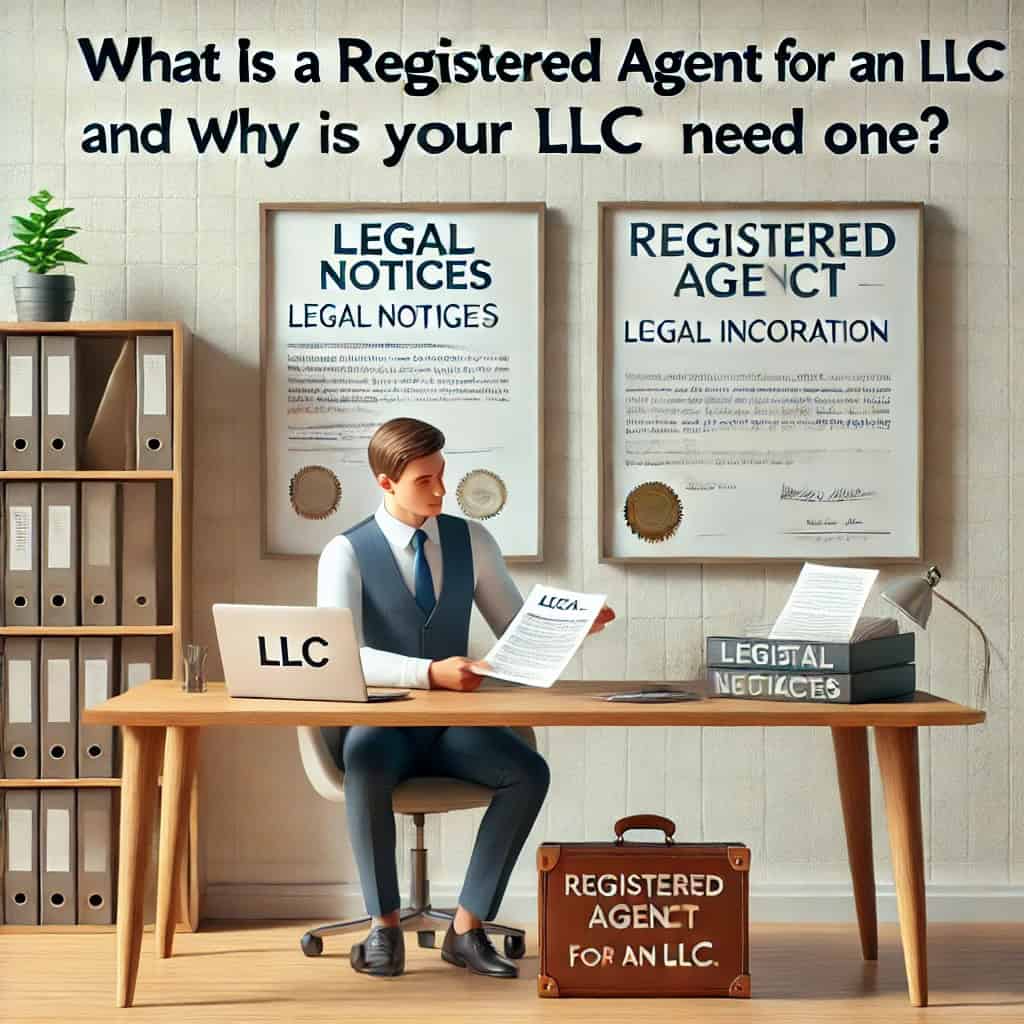
What is a Registered Agent?
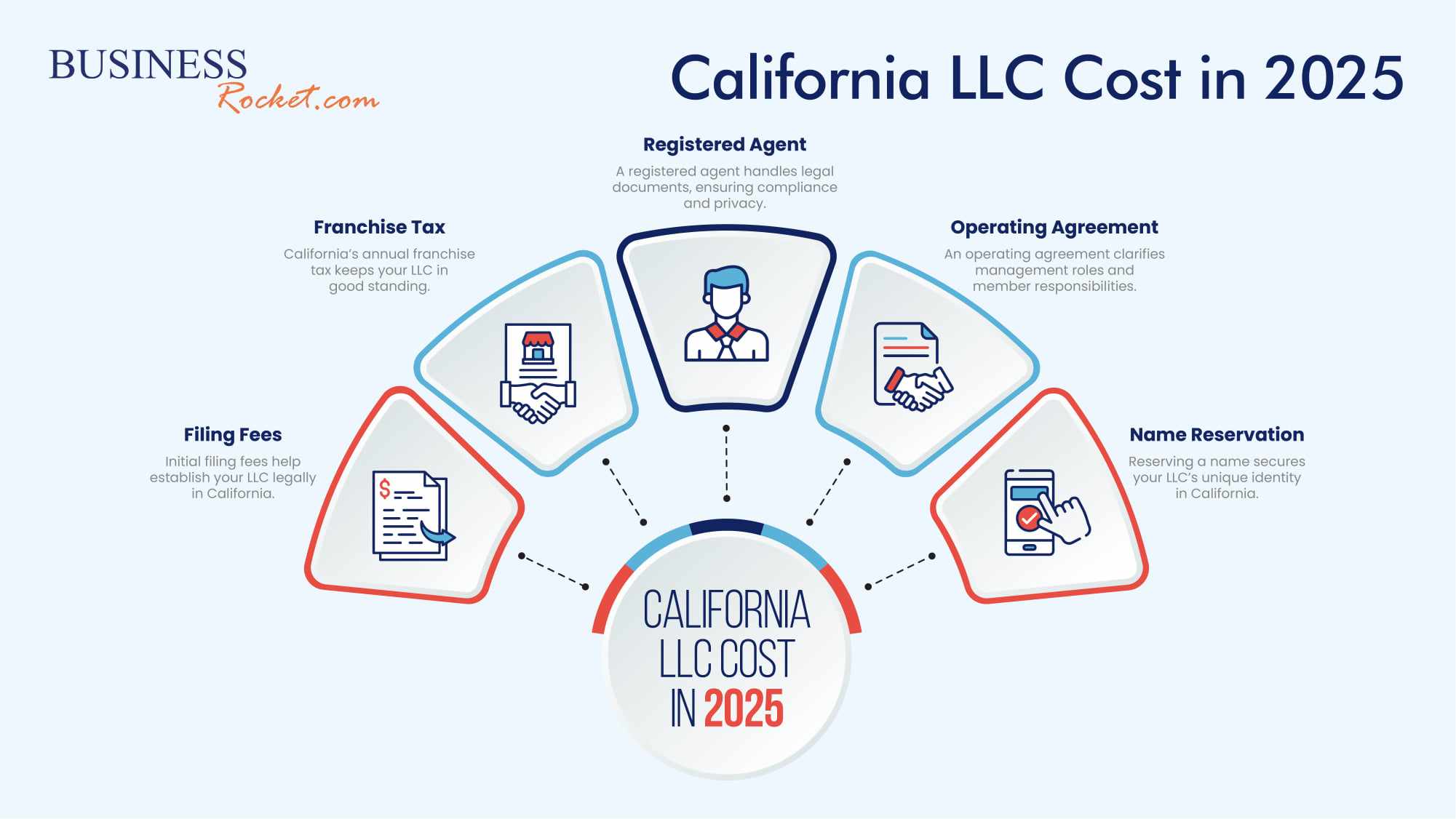
A Registered Agent keeps an LLC in check—handling legal papers, tax notices, and official mail. Every business entity needs one to meet statutory requirements and stay compliant. Skip it, and you risk missing deadlines that could cost you. Plus the cost of LLC in California include not just filling fees but also the expense of hiring a reliable registered agent to ensure compliance.
According to the State Business Registry, most states require an LLC to have a Registered Agent. A report from the National Small Business Association found that 70% of small businesses rely on them for smooth operations. It’s a simple way to avoid penalties and legal trouble.
A good Registered Agent acts like a shield—receiving court papers, tax forms, and state notices before problems arise. They keep your LLC running smoothly, so you can focus on growing your business. Smart move, right?
How Registered Agents Help Businesses Stay Compliant
Mess up a service of process, and your LLC could face fines—or worse. A Registered Agent keeps your business on track, handling legal paperwork, tax deadlines, and compliance rules. No missed notices. No headaches.
Get official mail from the state government and pass it to you.
Make sure tax filings reach the IRS on time.
Handles legal notices so your business doesn’t get blindsided.
The Business Compliance Department recommends having a pro handle it. A study from the Small Business Administration shows businesses with Registered Agents face fewer compliance issues. Less stress, more focus; sounds good, right?
Why Does an LLC Need a Registered Agent?
Every LLC needs a registered agent, it’s not just a rule, it’s the law. They handle official notices, tax forms, and legal papers, keeping your business compliant. Skipping this? Bad idea. All 50 states require it, and businesses without one risk penalties or even shutdowns.
According to the National Association of Secretaries of State, missing a legal notice can cost a business big time. A Harvard Business Review study found that staying on top of compliance cuts legal risks by 40%. A registered agent makes sure you never miss an important deadline, so your LLC stays in good standing.
More than just a rule, this is peace of mind. No surprise lawsuits at your door. No scrambling over lost paperwork. Just privacy, professionalism, and protection. A registered agent keeps your business running, so you can focus on growth, not legal stress.
Legal Obligations & Compliance
A registered agent ensures your LLC meets state filings and submits annual reports on time. Missing these can lead to penalties or dissolution. The Secretary of State mandates this role to maintain business license validity.
According to the Business Regulations Office, every LLC must appoint an agent for tax compliance. A study by the Tax Compliance Authority found that timely filings reduce audits by 30%. Keeping up with statutory requirements protects your business.
Stay compliant with:
Registered agent updates for address changes
Annual reports filed before deadlines
State notifications managed efficiently
Ignoring compliance can risk legal status. A proactive approach ensures smooth operations and financial security.
Benefits of Having a Registered Agent
A registered agent keeps your personal details private, shielding you from unwanted exposure. With data privacy laws tightening, businesses need a reliable buffer against legal risks. Studies show that 67% of small businesses prefer third-party agents for better compliance and security.
According to Legal Shield Services, a registered agent ensures legal documents reach you on time, reducing compliance risks. The Small Business Administration (SBA) highlights how proper document management prevents penalties and keeps businesses in good standing.
For Example: John, a small bakery owner, nearly faced a $5,000 fine after missing a tax notice. Without a registered agent, he overlooked an important state document. A third-party agent stepped in, handled the paperwork, and ensured John stayed compliant—saving his business from legal trouble.
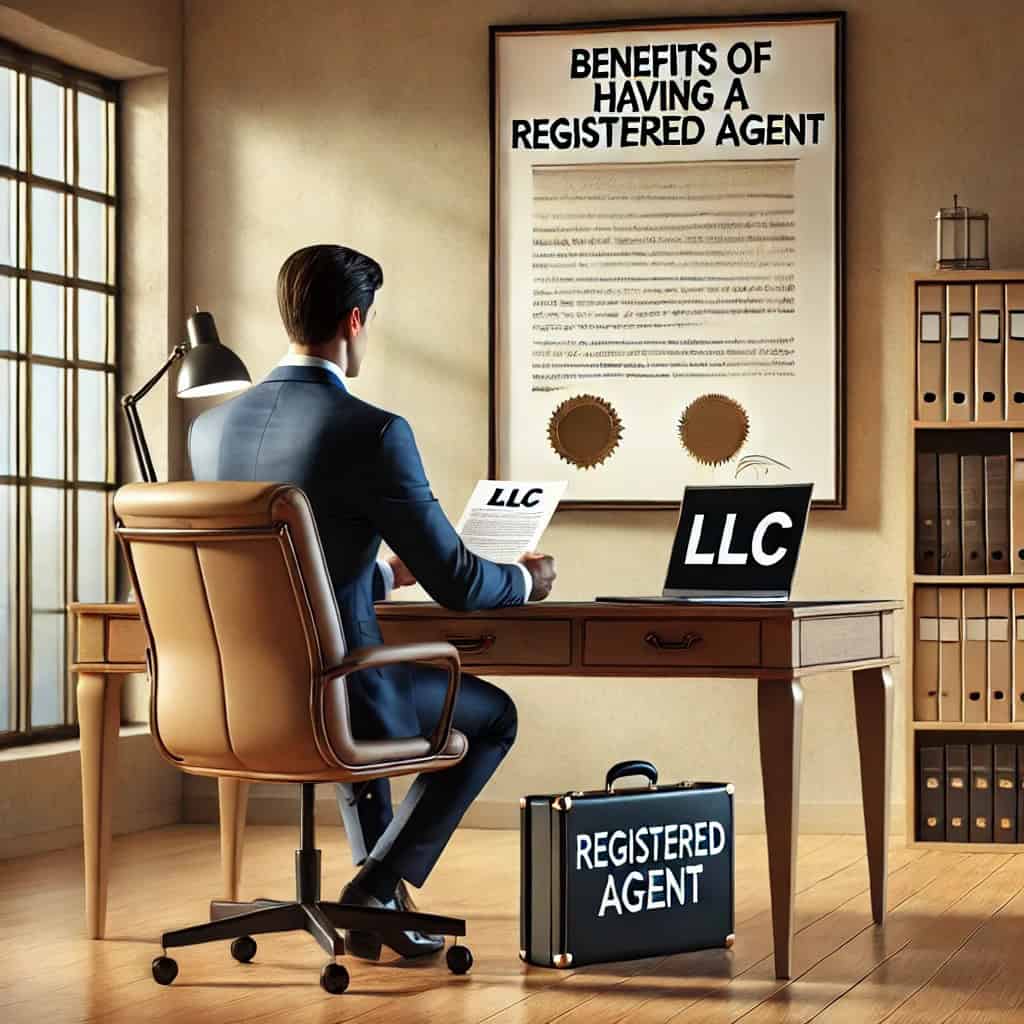
5 Benefits of a Registered Agent
Privacy Protection: Keeps your home address off public records, reducing spam and security risks.
Legal Safety Net: Ensures you never miss critical legal notices or lawsuits.
Document Forwarding: Manages all official mail, so you stay organized and stress-free.
Business Security: Maintains compliance with business entity regulations, avoiding fines.
Professional Representation: Gives your business a credible, official presence in legal matters.
Hiring a registered agent service adds credibility and ensures smooth operations. No missed deadlines, no legal hiccups, just seamless business growth.
Legal Requirements for LLCs
A registered agent is legally required in all 50 states to handle official documents for an LLC. The IRS and state agencies mandate an in-state agent with a physical address to ensure compliance. According to the Small Business Administration (SBA), failing to designate one can result in penalties, revoked status, or legal complications.
A study from Cornell Law School highlights that state-specific laws dictate response times and documentation protocols for registered agents. The National Association of Secretaries of State (NASS) confirms that prompt handling of legal notices helps businesses avoid costly lawsuits and maintain good standing.
For compliance, choose an agent with reliable service and expertise in LLC regulations. Many businesses use professional registered agent services to streamline operations and prevent lapses. Staying ahead of legal requirements keeps your LLC protected, credible, and stress-free.
State-Specific Rules for Registered Agents
Navigating the maze of state regulations can be overwhelming. Each state enforces its own rules on registered agents, from requiring a physical address to allowing virtual offices. The Department of State and Business Licensing Bureau oversees compliance, ensuring businesses follow legal mandates. Some states, like California, demand agents be available during business hours, while others, like Wyoming, permit virtual offices.
Key Variations by State (Including Costs)
According to the Business Licensing Bureau, over 60% of states require agents to have a physical presence. A Harvard Law Review study found that businesses with compliant agents face 30% fewer legal issues and experience faster processing times for legal notices. Staying updated on local statutes helps companies avoid penalties and maintain good standing.
Let’s Talk About Virtual Offices for Registered Agents
Ever wondered what a virtual office really means when it comes to registered agents? Think of it as a business address on paper—you get mail handling, document scanning, and official notices, but no one has to sit at a desk all day. Some states, like Florida and Nevada, are cool with this setup. Others, like California and New York, say, “Nope! We need a real person at a real location during business hours.”
Staying on the Right Side of State Rules
State rules can feel like a maze, but getting them right saves you from headaches (and potential fines). A good registered agent makes life easier—keeping your business legit, on time, and in the clear. Before making a decision, take a few minutes to check your state’s official website so you’re always in the know!
Consequences of Not Having a Registered Agent
Skipping a Registered Agent can lead to serious issues. Without one, your State Business Registry may flag your LLC as non-compliant. A 2023 study by the National Business Law Institute found that 62% of business dissolution cases stemmed from missing compliance deadlines.
According to the Compliance Office, missing legal notices can bring administrative penalties and a revoked status. A report from the Business Court System shows that failing to receive service of process leads to default judgments in 40% of cases.
5 Legal Pitfalls of Not Having a Registered Agent
Business Dissolution: Your LLC may be involuntarily shut down for non-compliance.
Administrative Penalties: States impose fines, often exceeding $500 per violation.
Revoked Status: Losing good standing can restrict contracts and funding.
Missed Deadlines: Tax filings and annual reports may be overlooked, risking penalties.
Legal Risks: If sued, you may not receive notice, leading to automatic losses.
Avoid these risks by appointing a Registered Agent. It ensures smooth operations, legal protection, and uninterrupted LLC status. Stay compliant, and your business will thrive.
Duties & Responsibilities of a Registered Agent
A Registered Agent is the official point of contact for an LLC, handling legal documents, tax notices, and compliance filings. Every state law mandates an agent for smooth operations. According to the National Association of Secretaries of State, failing to maintain one can lead to penalties or even dissolution.
According to IRS data, timely handling of tax notices reduces audit risks by 25%. This proves the agent’s role is more than just paperwork—it safeguards your business.
Missing these can lead to penalties or business suspension.
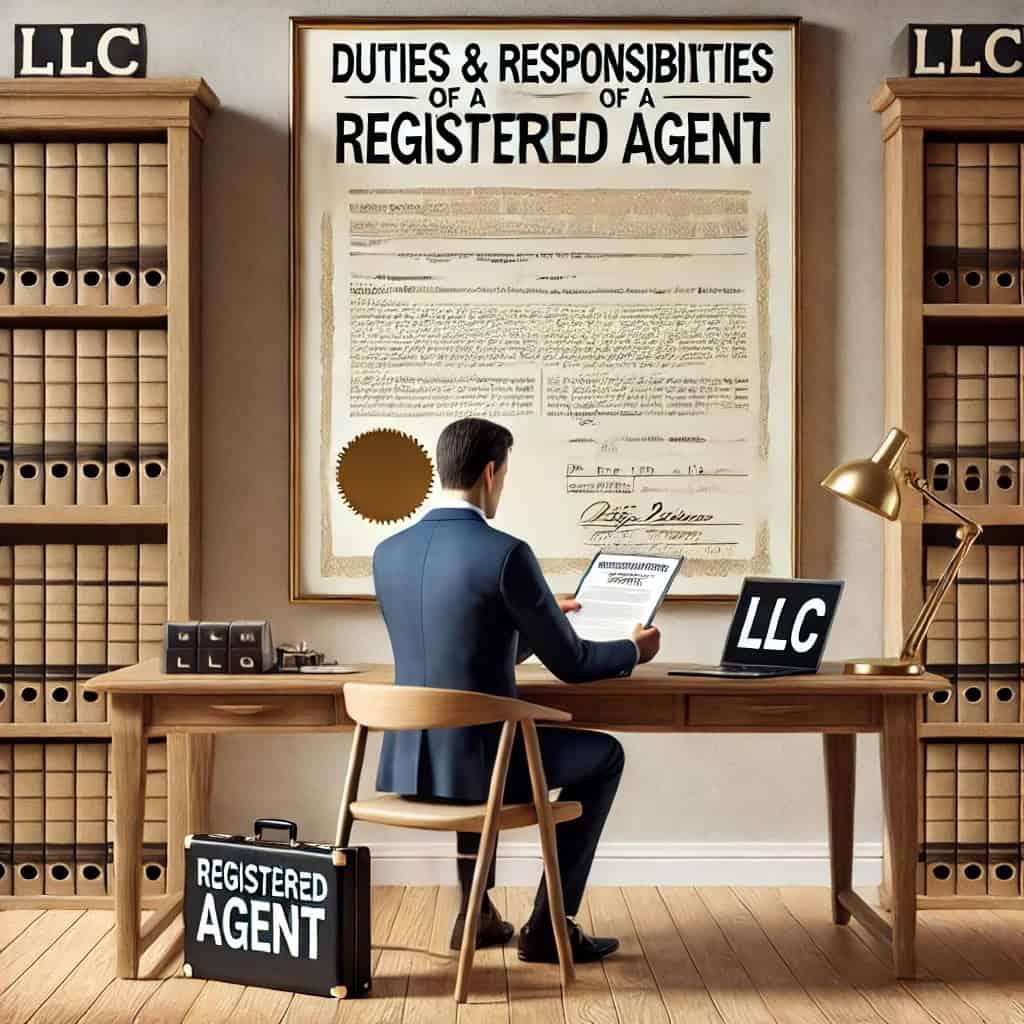
1- Handling Legal Notices & Tax Documents
Every LLC receives critical paperwork—lawsuit notices, tax documents, and compliance letters. A registered agent ensures timely delivery from the Legal Affairs Department or Taxation Office, preventing legal troubles and keeping the business informed.
2- Ensuring LLC Compliance
Meeting statutory deadlines is a must. A registered agent tracks business filings, license renewals, and corporate law requirements. They work closely with Compliance Officers and Corporate Law Attorneys to keep an LLC in good standing.
3- Maintaining Privacy & Legal Protection
A registered agent shields business owners from public exposure. Instead of receiving legal documents at a home or office, they handle everything discreetly. This helps protect privacy and reputation, ensuring no legal notices disrupt daily operations.
4- Managing Annual Reports & Filings
States require LLCs to submit annual reports. A registered agent ensures these are filed on time, avoiding fines or revocation of business status. They also remind business owners of renewals and corporate obligations to maintain compliance.
5- Acting as a Reliable Point of Contact
The registered agent maintains official contact between an LLC and all state governmental departments. They handle official communications from state agencies which include court summonses, tax notifications and legal updates ensuring businesses obtain information quickly and maintain operational efficiency and compliance.
Choosing the Right Registered Agent for Your LLC
A registered agent is essential for maintaining your LLC’s legal compliance and ensuring smooth operations. According to the Small Business Administration (SBA), businesses that use professional agents have fewer compliance issues. In fact, over 75% of LLCs opt for a professional service to handle legal documents efficiently.
According to Forbes, a good registered agent should have a strong track record of timely document handling and legal compliance. When selecting one, consider:
Verification – Check the agent’s credentials through state business directories and official records. Ensure they are registered and in good standing with no history of legal issues.
Reputation – Look for reviews on trusted sites like the Better Business Bureau (BBB). Consistent positive feedback indicates reliability, responsiveness, and professionalism in handling legal documents.
Service Coverage – Choose an agent who offers multi-state coverage if your LLC operates in different states. They should also provide 24/7 access to legal notices and compliance alerts.
Document Handling – A good agent provides real-time access to legal documents. They should notify you immediately about important filings, lawsuits, or government notices.
Compliance Support – Select an agent who offers automatic deadline reminders for annual reports and tax filings. This helps prevent late fees and ensures continuous legal compliance.
Customer Support – A professional agent should provide direct customer support via phone, email, or chat. Quick assistance ensures you get answers to legal queries without delays.
Contract Terms – Review the pricing, renewal terms, and any hidden fees. You can find services that give flat rates or require supplemental costs for compliance components.
Registered agent selection enables your LLC to avoid legal troubles and missed deadlines by serving essential documents from the state. Your selected provider for this service should provide you with a special kind of assurance that lets you focus on business growth without worrying about compliance matters.
DIY vs. Professional Registered Agent Services
Choosing a registered agent is crucial for your LLC’s legal compliance. You can either appoint yourself or hire a professional service. While self-appointment saves money, it requires constant availability and handling of legal documents. Professional agents provide both specialized expertise and secure management as well as documentation assistance to their clients. Following is a balanced comparison of advantages and disadvantages to support your decision-making process.
Pros & Cons of Self-Appointment
Being your own registered agent saves money but requires time and responsibility. You must be available during business hours and personally handle all legal notices. This increases personal liability and service limitations if you miss a critical document.
Pros:
Cost savings: No service fees, reducing expenses.
Full control: You manage all legal documents.
Immediate access: No third-party delays.
Cons:
Legal risk: Missing notices can lead to penalties.
Privacy concerns: Your address is public.
Time commitment: You must always be available.
According to SBA.gov, many small business owners face compliance issues when acting as their own agents. A mistake can cost more than hiring a professional.
Advantages of Professional Services
A professional registered agent provides expertise and compliance tracking, ensuring you never miss a legal notice. They also protect your privacy by keeping your personal address off public records.
Benefits:
Privacy assurance: Keeps your home address confidential.
Legal compliance: Professionals track deadlines.
Administrative support: Handles all legal paperwork.
A report from Forbes highlights how business advisory firms help startups avoid compliance issues. This makes hiring a third-party registered agent a smart investment for growth-focused businesses.
Comparison Chart: DIY vs. Professional
Choosing between DIY and professional registered agents? Here’s a quick breakdown:
According to Nolo.com, many online business reviews favor professional services for convenience. If legal reliability and peace of mind matter, hiring a registered agent service is the best choice.
How to Change a Registered Agent
Switching your Registered Agent Services is a legal process that requires precision. Whether due to service dissatisfaction, business relocation, or compliance gaps, businesses often make this change to ensure smooth operations. According to the Legal Filing Department, missing deadlines due to an inefficient agent can lead to penalties.
Reasons for Changing a Registered Agent
Service dissatisfaction – Poor communication or lack of support.
Business relocation – Moving to a state where your agent isn’t authorized.
Fee increases – Sudden hikes in service charges.
Compliance gaps – Missing legal notices or failing to file documents.
Step-by-Step Process to Change
Notify your current agent – Check your service contract for termination terms.
Gather required forms – Obtain the official change form from the Secretary of State Office.
Submit the filing forms – Send the completed documents along with any state fees.
Follow the notification process – Inform all relevant business authorities.
Wait for state approval – Processing times vary by state; track your application.
Update business records – Ensure all documents reflect the new registered agent.
Plan a smooth transition – Give at least 30 days for proper handover and compliance.
A reliable registered agent keeps your business in good standing and ensures compliance. Making the switch at the right time protects your company from unnecessary risks.
Can I Be My Own Registered Agent for My LLC?
Yes. But you’ll need a physical address in the state where your LLC is registered. Plus, you must stay available during business hours to accept legal documents. No PO boxes. No skipping office hours.
What Happens If I Don’t Have a Registered Agent?
Not having one? Bad idea. Your LLC risks penalties, losing good standing, or even administrative dissolution. The state won’t chase you down—they’ll just assume your business no longer exists.
How Much Does a Registered Agent Service Cost?
Prices vary. Expect $50 to $300 per year, depending on what’s included. Some offer compliance tracking, others provide document forwarding—choose what fits your needs.
Can I Change My Registered Agent After Forming My LLC?
Of course. Just file a change of agent form with your Secretary of State Office. There’s a fee, and every state has its own rules. But it’s a simple process if done right.
Do I Need a Registered Agent for an Online Business?
Absolutely. Even if you run a digital-only business, your LLC still needs a registered agent for legal notices, tax paperwork, and compliance-related documents. No exceptions.
Conclusion
A registered agent keeps your LLC compliant by handling official documents. Without one, you risk legal complications. Choosing a trusted agent simplifies business operations and ensures you meet all legal requirements.
A compliance checklist helps businesses avoid penalties and stay in good standing. According to Forbes, using professional registered agent services enhances privacy and efficiency. A structured action plan ensures your LLC remains legally protected.
Taking the right steps today secures your business for the future. Stay compliant, stay protected, and let your LLC thrive with confidence.
 Texas vs Delaware LLC: Key Differences (2026) October 7, 2026 - Business Corner » What is a Registered Agent Fee for an LLC in 2025 - BusinessRocketTexas vs Delaware LLC (2026): Which State Is Better for Your Business? Choose Delaware if you are raising venture capital or want the Court of Chancery. Choose Texas if you run an operating business and want no state income tax. …
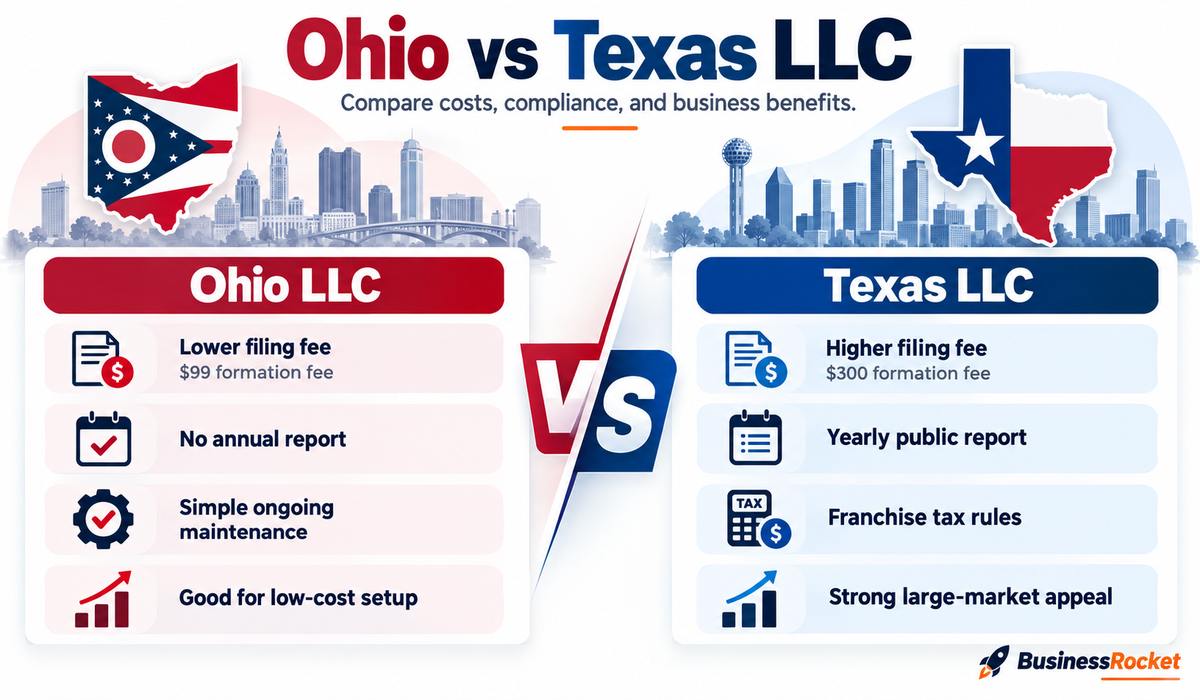 Texas vs Ohio LLC October 3, 2026 - Business Corner » What is a Registered Agent Fee for an LLC in 2025 - BusinessRocketTexas vs Ohio LLC: Costs, Taxes, and Which State to Choose An Ohio LLC has a $99 formation fee and no annual report fee. A Texas LLC has a $300 formation fee and requires a Public Information Report each year. …
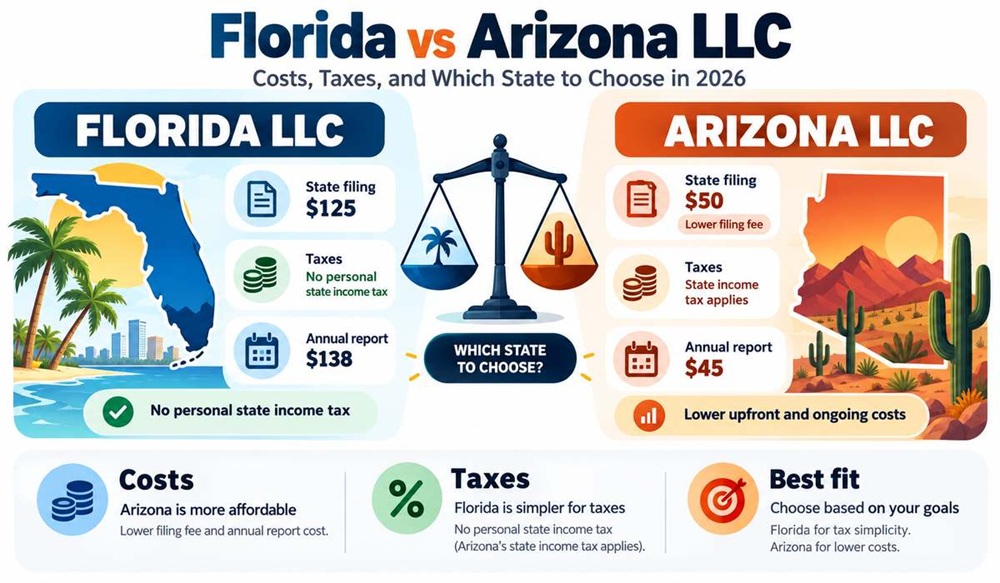 Florida vs Arizona LLC – What’s the Difference September 26, 2026 - Business Corner » What is a Registered Agent Fee for an LLC in 2025 - BusinessRocketFlorida vs Arizona LLC: Fees & Tax Benefits Arizona offers a cheap $50 filing and $0 annual reports, while Florida has zero personal income tax. Pick the best state for your LLC fees and tax benefits. Start Your LLC Today …