The self-employment tax rate stands at 15.3%, covering Social Security and Medicare, per IRS rules. This setup helps business owners retain more earnings.
The IRS classifies LLCs based on tax purposes, allowing pass-through taxation that eliminates double taxation. This structure keeps more money in business owners’ pockets.
For smarter tax savings, LLCs can choose S-corp status, cutting self-employment tax on distributions. A lower tax rate and streamlined income tax filings make LLCs a top pick. Consulting a tax professional ensures maximum benefits.
Why Choosing the Right Business Structure Matters for Small Businesses
The structure you pick impacts everything, liability, operations, and compliance. Sole proprietors risk personal assets. Corporations have tighter regulations. LLCs balance limited liability protection with fewer burdens, making them a strong choice for small businesses.
A Harvard study showed LLCs cut administrative work by 40% compared to corporations. Less paperwork means more time for business growth.
LLCs protect personal assets while simplifying operations. They let owners keep personal and business finances separate, key for scaling without legal headaches.
Understanding Different Business Structures: Which One Fits Your Business?
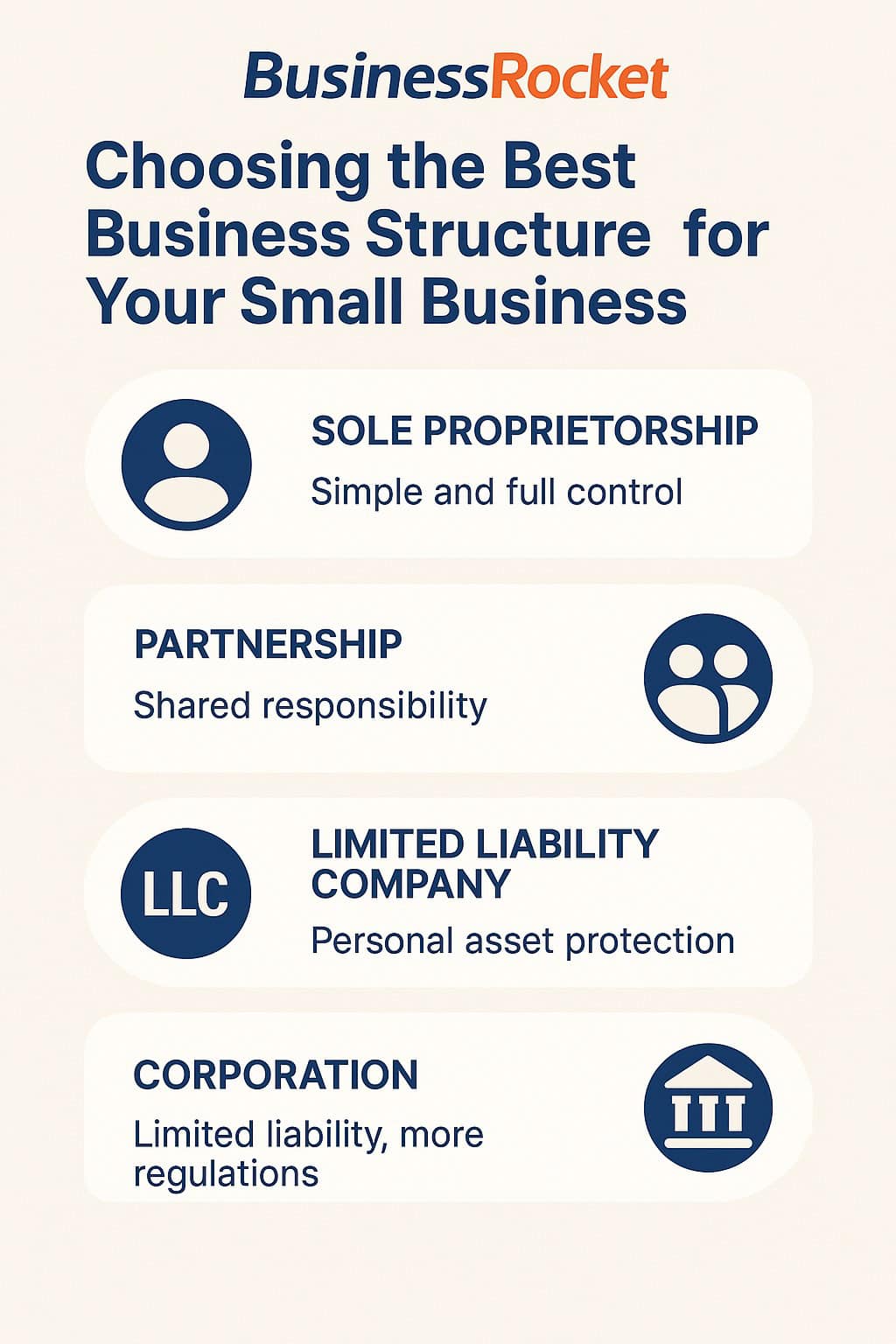
Business owners face a variety of choices when it comes to picking a structure like Sole Proprietorship, partnership, corporation, or llc. LLCs are a popular choice, with more than 2 million formed annually in the U.S. They offer limited liability protection and flexible tax benefits, making them a favorite for small businesses.
Choosing the right structure comes down to control, taxation, and protection. LLCs hit the sweet spot, offering simplicity and protection that appeals to many small business owners.
Comparing Business Structures for Small Businesses
Sole Proprietorship: Simple and low-cost but leaves your personal assets exposed.
Partnership: Shared ownership and responsibility, yet personal assets are still at risk.
Corporation: More structure and limited liability, but higher costs and stricter regulations.
LLC (Limited Liability Company): The best of both worlds, flexibility and liability protection, ideal for businesses that want protection with ease of management.
Can You Combine Different Business Structures?
Yes, The combination of business structures allows entrepreneurs to achieve maximum tax advantages while protecting themselves through limited liability and gaining flexible operational control. More companies are adopting hybrid business models by combining features from various structures in order to harness advantages across multiple business frameworks.
LLCs Explained: Why They’re a Smart Choice for Small Businesses
An LLC structure safeguards small businesses through its ability to isolate personal assets and business assets. The Small Business Administration indicates that LLCs enable owners to determine their tax status which simplifies financial management systems.
Business owners can maintain their LLCs easily and achieve freedom to devote their focus on growth because the formality requirements are minimal. Small business owners often select an LLC structure to get both business expansion possibilities and safeguard their personal assets from risks. The advantages of LLCs include both freedom of operation combined with minimized personal liability exposure and tax benefits to enhance small business efficiency.
What is an LLC? Understanding Limited Liability and Management Structure
An LLC combines the benefits of both corporations and sole proprietorships. It protects owners from business debts and offers a flexible management style, unlike traditional corporations.
Limited liability: Safeguards personal assets.
No formalities: No need for a board of directors or regular meetings.
Management freedom: Owners maintain control of the business.
This freedom allows entrepreneurs to focus on growth while securing their financial interests.
Who Should Consider an LLC?
Entrepreneurs after tax advantages and business protection should look into an LLC. It offers limited liability and the flexibility to pick a tax treatment based on business needs.
Tax flexibility: Pick your tax structure (sole proprietor or corporation).
Personal risk reduction: Keep personal assets safe from business liabilities.
Control: Retain decision-making power over the business.
LLCs are an excellent fit for small business owners who want to lower risk and grow efficiently.
Key Benefits of LLC for Small Businesses
More than 73% of U.S. small businesses choose an LLC as their legal structure, offering affordability, simplicity, and protection for personal assets from business debts. For federal tax purposes, an LLC may provide significant savings over a C corp, where corporate tax rates can double your tax bill.
A study from the SBA shows that single-owner businesses benefit from pass-through taxation, meaning profits are taxed only once on personal tax returns. LLC laws vary by state, allowing flexibility based on where you plan to do business. This structure supports growth with fewer administrative hurdles than a formal corporation.
- Limited Liability Protection:
Your personal savings stay protected, even if your business faces debts.
This legal wall offers peace of mind from the start.
Tip: Always open a separate business bank account to maintain clean records and protect personal assets.
- Pass-Through Taxation:Profits pass directly to your personal tax returns, skipping double taxation.
No more worrying about high corporate tax rates eating into your earnings.
Note: An LLC can choose to be taxed as a C corp for more flexibility, especially if your business grows large.
- Flexible Management Structure: You have full control over how the business is run, whether solo or with partners.
This flexibility makes LLCs ideal for any kind of business, from side hustle to full-time gig.
Case Study: A two-person bakery formed an LLC, shared roles, and scaled up smoothly.
- Less Administrative Burden: No need for complex filings or annual reports like a C corp.
Most states have simple LLC statutes, making compliance much easier.
Tip: A single-member LLC has fewer steps, perfect for entrepreneurs just starting out.
- Professional Credibility: A registered LLC name instantly boosts your brand’s professional image.
Clients and partners tend to trust formal businesses more than informal ventures.
Note: Many vendors require a business license before doing business with you.
- Lower Taxation on Business Investments
Buy assets like trucks or tech using pre-tax business income, which allows you to grow faster.
This tax benefit reduces your upfront costs, so you can reinvest more into your business.
Case Study: A local delivery startup saved $35K when buying vehicles under their LLC.
- Asset Protection for Members: With an LLC, your personal assets are protected. If your business faces legal issues, your home, savings, and car remain untouched.
Tip: Keep your personal and business finances separate, this will help you maintain that protection.
- Easier Access to Business Loans and Credit: Lenders trust LLCs more. Why? The formal setup and financial transparency show you’re serious about your business.
Note: Focus on building your business credit, it could help you get better loan terms and lower interest rates.
- Ownership Flexibility
LLCs let you have as many members as you want, perfect for partnerships or bringing in investors.
This flexibility lets your business grow, with responsibilities and profits spread out.
Case Study: A small tech startup added two investors after forming an LLC, helping them expand quickly.
The startup expenses for an LLC entail the payment of both state fees and legal professional services. Depending on your business location the cost to register varies.The expenses required for starting an LLC prove worthwhile due to its benefits.
- State fees: These can range from $50 to $500, depending on the state.
- Legal fees: Hiring a lawyer or using online services could add some extra costs.
- Additional charges: Permits and certifications might be needed, adding to the total.
On top of that, you’ll have ongoing costs. Things like annual reports, taxes, and licenses can cost between $100 and $800 a year. And don’t forget about hidden fees, like surprise charges for extra services or penalties.
The flexibility of an LLC makes managing your business easier. You get the benefits of liability protection and control over your business decisions. Plus, LLCs offer tax advantages that can help you save as you grow.
How to Form an LLC – Step-by-Step Guide
Avoiding Common Mistakes When Forming an LLC
Starting a business as an LLC is simple, but small missteps can slow you down. Around 20% of new LLC filings face delays due to paperwork or compliance issues.
A guide from IRS.gov notes that missed tax ID numbers or wrong forms increase tax liability risks. Nolo.com also highlights that business entities must meet exact state rules to avoid fines.
Double-check documents to avoid errors that delay approval.
Use the right forms and info, every new LLC must match state rules.
Know your tax obligations, including federal income tax and self-employment.
Don’t confuse individual tax with what the LLC must report annually.
Track deadlines for state-specific compliance like annual reports.
If missed, your LLC may incur fees or risk being dissolved unexpectedly.
Smart planning lets the owner of an LLC stay compliant, avoid delays, and continue doing business relatively undisturbed. Keep it clean, clear, and correct, right from day one.
Conclusion: Choosing the Best Business Structure for Your Small Business
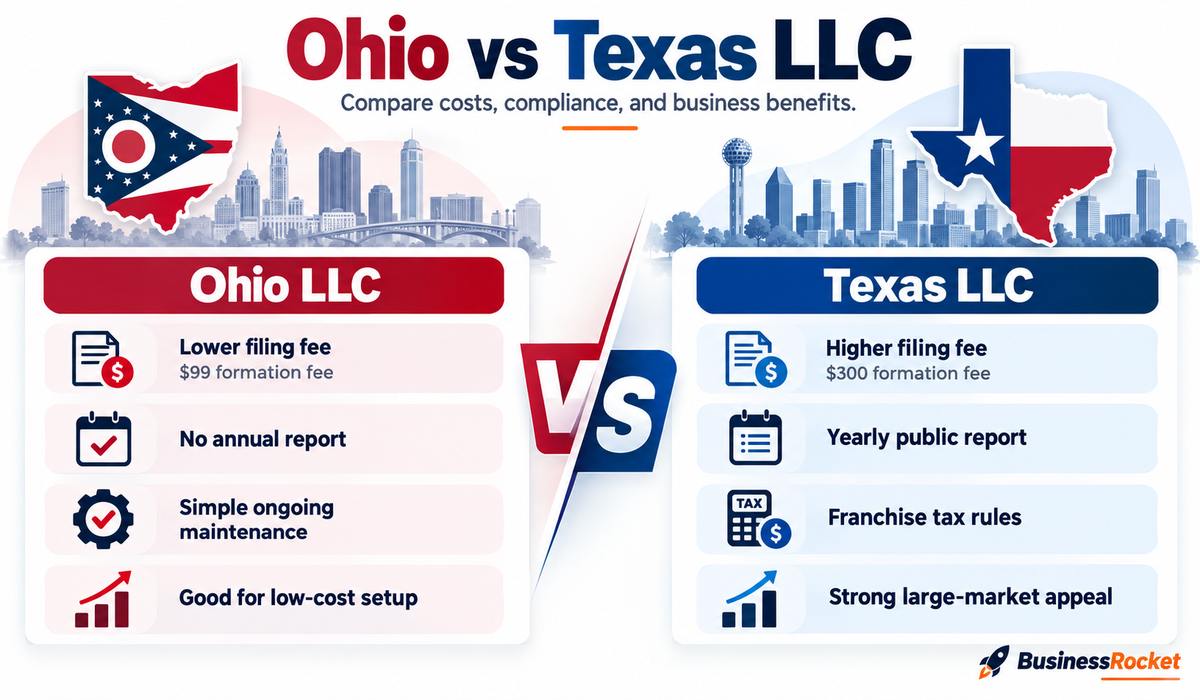 Texas vs Ohio LLC October 3, 2026 - Home » Benefits Of Forming an LLC For Small BusinessTexas vs Ohio LLC: Costs, Taxes, and Which State to Choose An Ohio LLC has a $99 formation fee and no annual report fee. A Texas LLC has a $300 formation fee and requires a Public Information Report each year. Start Your Business Today REGISTER AN …
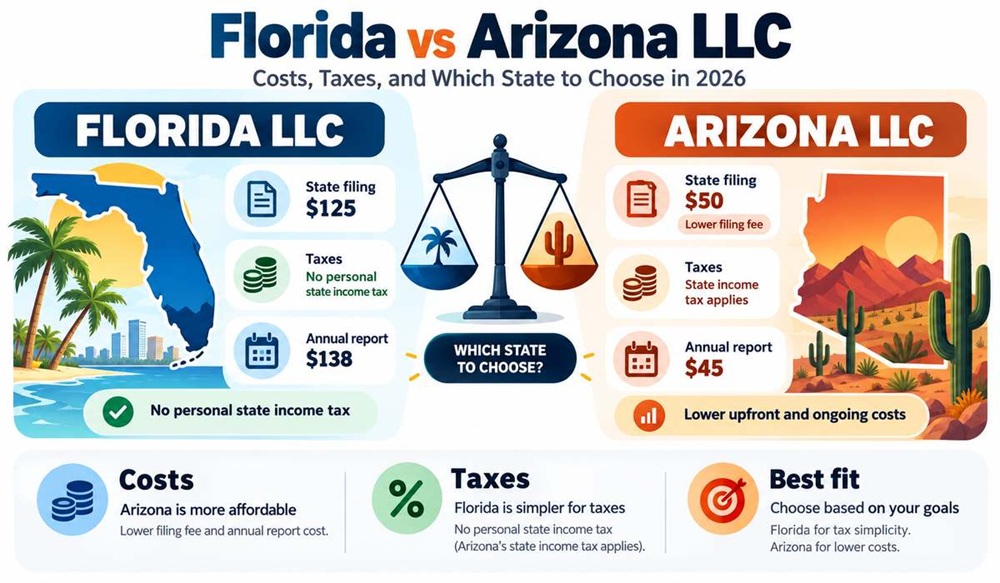 Florida vs Arizona LLC – What’s the Difference September 26, 2026 - Home » Benefits Of Forming an LLC For Small BusinessFlorida vs Arizona LLC: Fees & Tax Benefits Arizona offers a cheap $50 filing and $0 annual reports, while Florida has zero personal income tax. Pick the best state for your LLC fees and tax benefits. Start Your LLC Today Trustpilot Register Your Business A Florida …
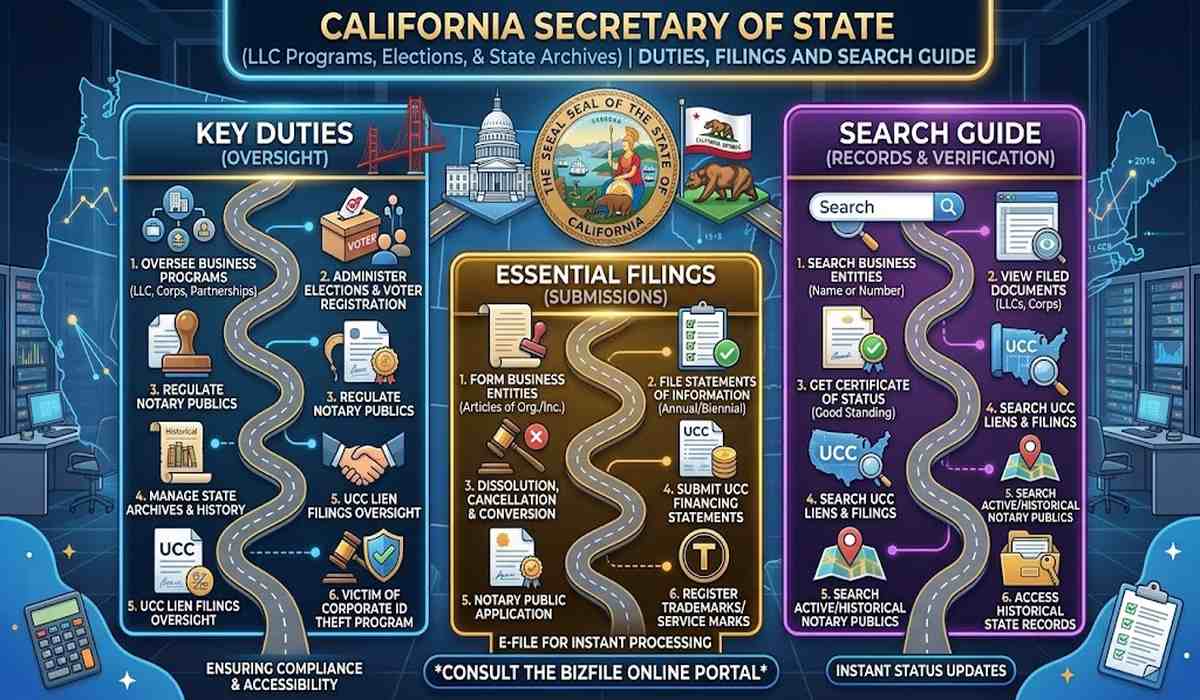 What Is the California Secretary of State? September 25, 2026 - Home » Benefits Of Forming an LLC For Small BusinessWhat Is the California Secretary of State The California Secretary of State is a statewide elected official and the name of the government office that keeps many of California’s public business and election records. Start Your Business Trustpilot Register Your Business Business owners use the office …